
Selecting the right epoxy flooring contractor is critical to ensuring the success, durability, and aesthetic appeal of your project. With so many professionals in the market, it can be overwhelming to make the best choice. By following a structured approach, you can identify a contractor who meets your specific needs and delivers high-quality results.
1. Evaluate Credentials and Licensing
Ensure that any contractor you consider is fully licensed and insured to perform epoxy flooring work in your area. This protects you from liability in case of accidents and ensures compliance with local regulations.
- Licensing: Ask for proof of their active license or certification.
- Insurance: Verify that they carry general liability insurance and workers’ compensation coverage.
2. Review Portfolio and Past Work
A professional contractor should be able to provide examples of their previous projects. Reviewing their portfolio allows you to assess their style, expertise, and ability to handle projects similar to yours.
Key questions to explore:
– Do they specialize in residential, commercial, or industrial epoxy flooring?
– Can they provide images or videos of past projects?
– Are there any particular designs or finishes they excel at?
3. Understand Their Process and Materials
High-quality epoxy flooring depends on both skilled application techniques and superior materials. Discuss the contractor’s process from surface preparation to final coating application.
Some considerations include:
– What type of epoxy do they use (e.g., 100% solid epoxy vs. water-based)?
– How do they prepare surfaces (e.g., cleaning, grinding, repairing cracks)?
– Do they apply multiple layers for added durability?
| Material Type | Benefits | Considerations |
| 100% Solid Epoxy | High durability; chemical-resistant | More expensive; requires skillful application |
| Water-Based Epoxy | Affordable; lower VOC emissions | May not last as long under heavy traffic |
4. Request Detailed Estimates
A reputable contractor should provide a detailed written estimate that includes all costs associated with labor, materials, equipment rental (if applicable), and additional charges like surface preparation.
When reviewing estimates:
– Look out for vague pricing or hidden fees. – Ask whether clean-up services are included post-installation. – Confirm warranty information for both labor and materials provided.
5. Compare Reviews and References
Reputation matters when choosing an epoxy flooring professional. Take time to research online reviews on platforms like Google, Yelp, or Angie’s List while also requesting references directly from the contractor.
Questions to discuss with references include:
1. Was the project completed within the agreed timeline?
2. Did the finished product meet expectations?
3. How responsive was the contractor during communication?
By reaching out to past clients, you gain firsthand insights into the quality of service offered by a particular business.
Red Flags to Avoid When Hiring an Epoxy Flooring Contractor
Be cautious if you notice any of these warning signs: – Unwillingness to provide portfolio samples or references. – Extremely low quotes compared to competitors (this could signal poor quality materials). – Lack of clear communication or professionalism during initial discussions.
Exploring the Benefits of Clearwater Epoxy Garage Flooring with Quality Materials and Techniques
When it comes to epoxy flooring, the materials and techniques used during installation play a critical role in determining the durability, appearance, and overall performance of the floor. Selecting high-quality materials and relying on precise application methods ensures a long-lasting and aesthetically pleasing result. Below, we’ll explore the key aspects that highlight the importance of quality in epoxy flooring projects.
The Importance of Choosing an Epoxy Garage Flooring Contractor Clearwater FL
- Durability: High-quality epoxies resist wear and tear effectively, making them ideal for high-traffic areas or industrial settings.
- Chemical Resistance: Superior products offer better protection against chemicals, oils, and other corrosive substances.
- Aesthetic Appeal: Premium-grade epoxies create a smoother finish with richer color depth compared to lower-quality alternatives.
- Adhesion Strength: Quality epoxy materials adhere better to concrete surfaces, reducing the chances of peeling or bubbling over time.
Types of Epoxy Coatings
| Type | Key Features | Common Applications |
| 100% Solid Epoxy | Highly durable; no solvents; thick application | Industrial floors |
| Water-Based Epoxy | Low VOCs; eco-friendly; thinner consistency | Residential garages, light traffic areas |
| Solvent-Based Epoxy | High adhesion; strong chemical resistance | Commercial kitchens, warehouses |
The choice of material should be based on your specific project requirements to ensure optimal performance.
Importance of Proper Techniques by Epoxy Flooring Installers Clearwater FL
- Thoroughly clean the substrate to remove dust, grease, or contaminants.
- Repair cracks or damage on the concrete surface before proceeding.
- Use mechanical grinding or shot blasting to achieve proper surface roughness (known as surface profile).
- Follow manufacturer instructions precisely when mixing resin and hardener.
- Inaccurate ratios may lead to improper curing or reduced strength.
- Apply primer coats evenly using rollers or brushes for better adhesion.
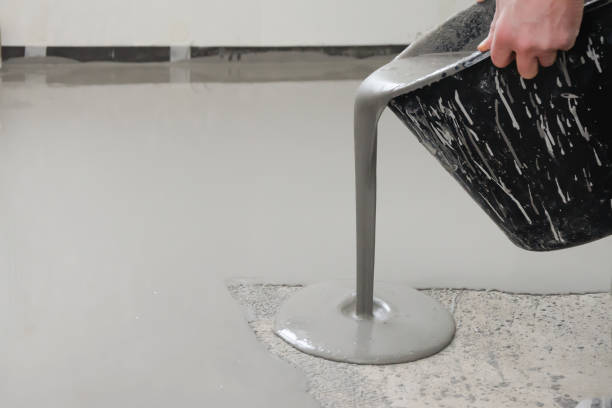
- Pour liquid epoxy systematically starting from one corner for even coverage.
- Use spiked rollers during application to release trapped air bubbles.
- Allow sufficient curing time (usually 24–72 hours) depending on temperature and humidity levels.
Risks of Compromising on Quality
- Premature delamination or peeling
- Cracks caused by weak adhesion
- Uneven coatings leading to aesthetic dissatisfaction
- Reduced lifespan requiring early replacement
Investing in quality upfront not only enhances durability but also minimizes maintenance costs over time.
By understanding the significance of using top-tier materials combined with skilled application methods, you can achieve an epoxy floor that meets both functional and visual expectations efficiently.

Assessing Experience and Expertise When Selecting an Epoxy Flooring Professional
When choosing an epoxy flooring professional, the experience and expertise of the contractor are crucial elements to ensure a successful project. Assessing these factors requires a methodical approach to evaluate their qualifications, past performance, and technical knowledge. Below are key considerations to help you make an informed decision.
Importance of Experience in Epoxy Flooring
- Knowledge of Different Types of Epoxy Coatings: Experienced contractors can recommend the most suitable type for your project, whether it’s self-leveling epoxy, anti-slip coatings, or decorative options like metallic epoxy.
- Understanding Surface Preparation: Proper surface preparation is critical for adhesion and longevity. A skilled professional ensures that concrete is properly cleaned, repaired, and primed before application.
- Handling Complex Installations: Projects with intricate designs or unique specifications require advanced technical skills developed over years of practice.
Evaluating Technical Expertise
- Certifications and Training: Does the contractor hold relevant certifications or attend ongoing training programs? Certifications from industry associations indicate their commitment to maintaining high standards.
- Specializations: Some professionals specialize in industrial floors while others focus on residential or commercial applications. Ensure their expertise aligns with your project needs.
- Use of Advanced Techniques: Cutting-edge techniques such as UV-resistant applications or moisture vapor barrier installations may be necessary depending on your environment.
Asking About Past Projects
- Request photographs or videos showcasing completed installations.
- Ask about any challenging projects they’ve handled and how they overcame obstacles.
- Inquire whether they’ve worked on similar surfaces (e.g., older concrete floors vs new builds).
Table: Key Questions to Evaluate Experience & Expertise
| Topic | Questions to Ask |
| Certifications | Do you hold any certifications specific to epoxy flooring applications? |
| Project History | Can you share examples of similar projects you’ve successfully completed? |
| Specialized Knowledge | Are there specific types of epoxy or environments you specialize in? |
| Problem-Solving Ability | How do you address challenges such as uneven substrates or moisture issues? |
Conducting Interviews and Site Visits
- Observe how they inspect your space; experienced contractors will note critical details like cracks, humidity levels, and traffic patterns.
- Pay attention to whether they explain their process clearly without using overly technical jargon.
By thoroughly evaluating both experience and expertise, you can select an epoxy flooring professional who not only meets but exceeds your expectations for quality workmanship.
Transparency, Communication, and What to Ask Your Epoxy Flooring Contractor
Selecting the right epoxy flooring contractor is not only about assessing their skills and experience; it also requires clear communication and transparency to ensure your expectations align with their capabilities. Asking the right questions can help establish trust, clarify project details, and avoid misunderstandings. Below are some essential considerations and questions to guide your discussion with a potential contractor.
Importance of Transparency in Epoxy Flooring Projects
Transparency is critical for building a professional relationship with your contractor. A reliable epoxy flooring contractor should:
– Provide clear explanations about their process and timeline.
– Share detailed cost breakdowns upfront.
– Address potential challenges or constraints honestly.
When transparency is prioritized, it minimizes the risk of unexpected costs, delays, or subpar results.
Questions to Ask Your Epoxy Flooring Contractor
- Understand the range of options available (e.g., self-leveling epoxy, metallic epoxy, or decorative flake systems).
- Request a breakdown of costs for materials, labor, preparation work, and any additional fees.
- Preparation is key to ensuring longevity; inquire about cleaning processes or repairs they perform beforehand.
- Clarify what aspects are covered under warranty (e.g., adhesion issues or cracking) and how long it lasts.
- Reputable contractors should be willing to share testimonials or contact information from satisfied customers.
- This helps set realistic expectations around timelines for surface preparation, curing timeframes, and application processes.
- Ensure that proper protocols are in place to protect workers as well as occupants of the property.
Key Attributes of Effective Communication
Effective communication between you and your contractor ensures smoother execution of your project: – Regular updates on progress are important—ask how often they will check in throughout the process. – Make sure there’s clarity on who your main point of contact will be. – Request written documentation for contracts or agreements covering all discussed terms.
Red Flags to Watch Out For
While evaluating contractors during initial discussions, keep an eye out for these warning signs: – Vague responses regarding pricing or unavailable itemized quotes. – Reluctance to show certifications/licenses. – Lack of reviews or negative feedback online.
Table: Sample Checklist for Initial Consultation
| Question | Why It Matters |
| What experience do you have? | Ensures familiarity with projects similar in scope/requirements |
| Can I see examples of past work? | Provides insight into quality standards |
| Are permits required for this job? | Helps avoid compliance issues later |
By ensuring open communication lines combined with thorough vetting practices outlined above,it becomes easier ensuring
Transparency, Communication, and What to Ask Your Epoxy Flooring Contractor
When it comes to hiring the right epoxy flooring contractor for your project, transparency and open communication are essential. Establishing a clear dialogue with your contractor ensures that expectations are set, potential challenges are addressed early, and the project is completed successfully. Below are key considerations for fostering transparency and communication, as well as essential questions to ask your contractor before work begins.
Why Transparency Matters
Transparency builds trust between you and your epoxy flooring contractor. It allows you to fully understand the scope of the project and ensures there are no hidden surprises in terms of costs or timelines. A transparent contractor will provide:
– Clear, itemized estimates detailing labor, materials, and any additional fees.
– Honest timelines that account for preparation, application, and curing times.
– Full disclosure regarding warranties or guarantees on materials and workmanship.
Communication Best Practices
Effective communication with your epoxy flooring contractor prevents misunderstandings during the project. Here’s how to maintain strong communication:
– Establish a Point of Contact: Identify a primary contact person from both sides to streamline updates and address concerns quickly.
– Schedule Regular Updates: Request progress updates at different stages of the installation process—such as surface preparation, epoxy application, and curing stages.
– Use Written Agreements: Ensure all agreements regarding costs, timelines, materials used, or changes to the scope of work are documented in writing.
Questions to Ask Your Epoxy Flooring Contractor
- Look for itemized details about labor costs, material types (e.g., solvent-based vs water-based epoxy), surface preparation methods (e.g., grinding or shot blasting), coatings applied (e.g., primer or topcoat), etc.
- An experienced contractor should provide examples or references from past projects similar in size or complexity to yours.
- Proper surface preparation is essential for long-lasting results. Confirm that they will clean, repair cracks if present, and use techniques like diamond grinding for optimal adhesion.
- It’s crucial to know how the contractor plans to address unforeseen problems such as moisture vapor emissions or substrate imperfections.
- Ask about warranties covering materials used as well as workmanship quality over time.
- Viewing physical samples of their work—or photos—can help you assess their style and quality standards firsthand.
Red Flags to Watch For
While interviewing contractors can provide valuable information about their qualifications, it’s also important to recognize potential red flags: – Reluctance to provide references or share examples of past work. – Vague answers regarding preparation techniques or material quality. – Pressure tactics insisting on upfront payment without a contract in place. – Overpromises related to curing times without addressing environmental factors like temperature or humidity control.
Final Thoughts on Partnering With Your Contractor
Partnering with an epoxy flooring professional who values transparency ensures smoother communication throughout every stage of the project—from initial consultation through post-installation follow-up care. By asking informed questions upfront and maintaining open dialogue throughout the process, you’ll be better equipped for success while minimizing risks associated with miscommunication or unclear expectations.
- Top Reasons to Hire an Epoxy Garage Flooring Contractor Clearwater FL
- Key Benefits of Hiring an Epoxy Flooring Company Clearwater FL for Your Garage Flooring
- Pros and Cons of Hiring an Epoxy Garage Flooring Contractor Clearwater FL
- Transform Your Garage with an Epoxy Garage Flooring Contractor in Clearwater FL for a Durable and Stylish Finish
- Tips for Choosing the Right Epoxy Flooring Company Clearwater FL for Your Project
- Epoxy Garage Flooring Contractor Clearwater FL: Transform Your Garage Into a Stunning Showroom
- Why You Should Choose an Epoxy Flooring Company Clearwater FL for Your Garage Floors